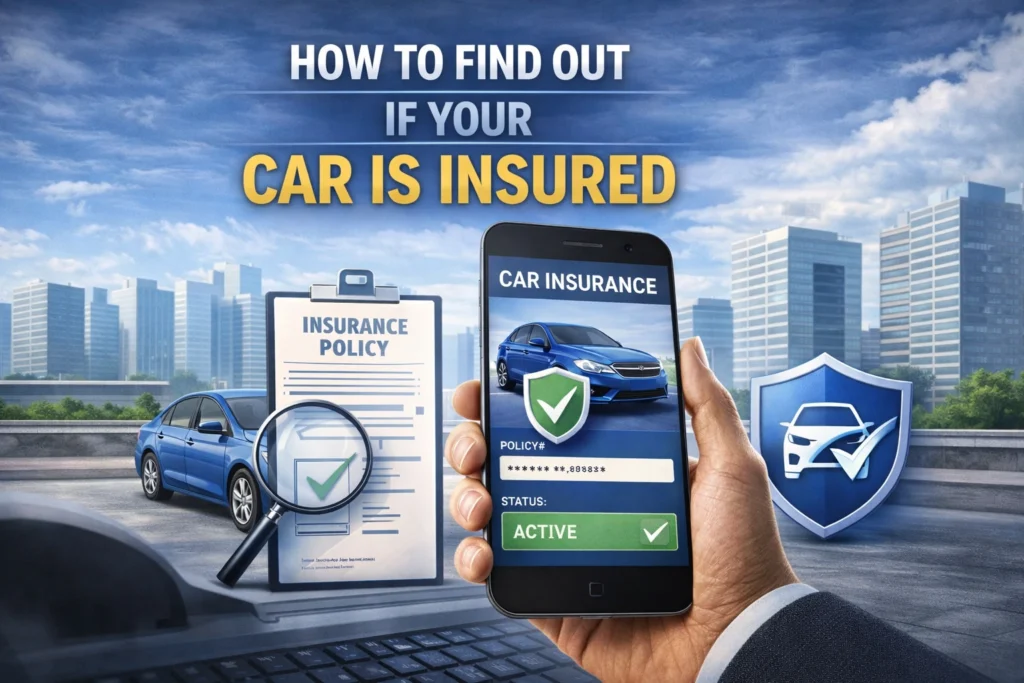
Have you ever wondered if your car has active insurance? It’s a common question for many drivers in the US. Checking your car’s insurance status means verifying if there’s a current policy covering it against accidents, theft, or other risks. This matters because driving without insurance can lead to big fines, license suspension, or even legal trouble. It also gives you peace of mind knowing you’re protected on the road.
In this article, we’ll break it down simply. You’ll learn what car insurance really means, how to check if yours is active, a real example, why it’s key to do this, the ups and downs, common slip-ups, answers to frequent questions, and a wrap-up with tips. By the end, you’ll feel confident handling this yourself.
Table of Contents
Table of Contents
What is Finding Out If Your Car Is Insured?
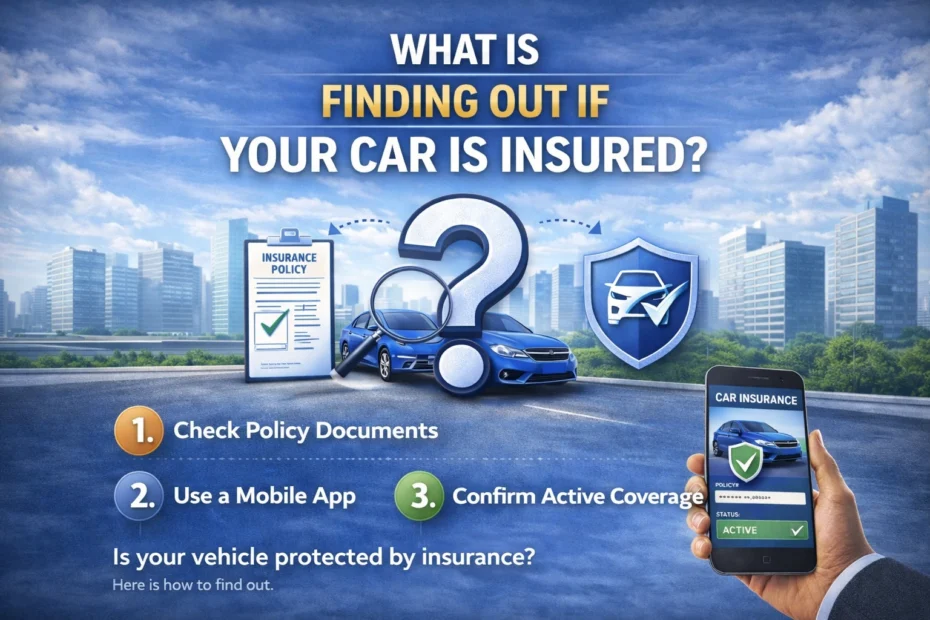
Finding out if your car is insured is all about confirming there’s an active auto insurance policy tied to your vehicle. In simple terms, it’s checking if coverage is in place to help pay for damages or injuries if something goes wrong while driving.
Car insurance is a contract between you and an insurance company. You pay a fee, called a premium, and they agree to cover certain costs if there’s an accident or other issue. Most states in the US require at least basic liability insurance, which covers harm you cause to others. Without it, you could face penalties.
To put it plainly, your car is “insured” if the policy is current, meaning it’s not expired or canceled. This includes details like the policy number, coverage dates, and what it protects against. Many people keep proof in their glove box, like an insurance card.
- Basic coverage types: Liability for others’ damages, collision for your car’s repairs, comprehensive for theft or weather damage.
- Why check? Life gets busy, and policies can lapse if payments are missed.
This process isn’t complicated. It just takes a few steps to verify everything is good.
Do you know how much home insurence cost?
How Does Finding Out If Your Car Is Insured Work?
Checking if your car is insured follows a straightforward path. You can do it through your insurer, documents, or state resources. Let’s go step by step.
First, gather your basics. You’ll need your vehicle’s details, like the VIN (a 17-digit number on your dashboard or door), license plate number, and any policy info you have. If you’re unsure, start with what’s in your car or emails.
Step 1: Look at your insurance documents. Dig out your insurance card or policy papers. These show the start and end dates of coverage. If the current date is between those, you’re likely insured. The card usually lists the insurer’s name, your policy number, and vehicle details. Keep this in your glove box for quick access.
If you can’t find papers, move to Step 2: Use your insurer’s online tools. Most companies like Progressive or State Farm have apps or websites where you log in with your account. Once in, view your policy status, coverage dates, and even download a digital card. Set up an account if you haven’t—it’s free and takes minutes.
Step 3: Call your insurance agent or company. If online isn’t your thing, pick up the phone. Give them your name, policy number if you have it, or VIN. They’ll confirm right away if coverage is active. This is great for questions too, like if a payment was missed.
Step 4: Check with your state’s DMV. Many states let you verify insurance online through their portals. For example, in New York, use the DMV site with your plate number and a document code if you have one. Connecticut has a compliance check tool for individuals. Search for your state’s DMV website and look for “insurance verification” or “vehicle status.”
Some states have special systems. Texas uses TexasSure, where you enter plate and driver info. Illinois has ILIVS, which checks automatically but you can inquire via the Secretary of State site. Georgia’s GEICS needs VIN and plate. Not all states offer this, so if yours doesn’t, stick to insurer methods.
Step 5: Use VIN lookup services. Some free or paid sites let you check insurance by VIN, but be cautious—these might not always be accurate or official. Your insurer or DMV is better for reliability.
If you’re checking someone else’s car, like after an accident, it’s different. You might need police help or DMV with the plate number. But for your own, these steps cover it.
Remember, states vary. California reports to DMV automatically, so check their site. If you moved states, verify with both old and new DMVs.
This flow keeps things easy. Start simple, like documents, and escalate if needed.
Do you know what HO-3 In Home Insurence?
Real-Life Example
Let’s say Sarah from Ohio just bought a used car from a friend. She thinks the insurance transferred, but wants to be sure before driving far.
First, she checks the glove box. There’s an old insurance card expiring last month. Uh-oh. She logs into the insurer’s app using the policy number on the card. It shows the policy lapsed two weeks ago because the previous owner canceled it.
Sarah calls the company. They confirm no coverage and explain she needs her own policy. She gets a quote online, pays, and downloads a new card—all in under an hour.
Now, to double-check, she visits Ohio’s BMV site. With her VIN and plate, it confirms the new insurance is linked. No fines for her!
In this case, quick checks saved Sarah from a ticket during a routine stop. Real numbers: Ohio fines up to $160 for no insurance first time, plus license suspension.
This shows how everyday situations can pop up, like after buying a car or if bills slip.
Why is Finding Out If Your Car Is Insured Important?
Knowing your car’s insurance status impacts your daily life and wallet big time.
First, it keeps you legal. Almost every US state requires insurance. Driving without it can mean fines from $100 to $1,500 or more, depending on the state. Your license might get suspended, making commuting tough.
It protects your money. If in an accident without coverage, you pay for repairs or medical bills out of pocket. That could be thousands. Insurance handles most of that, saving stress and cash.
Peace of mind is huge. You drive relaxed, knowing help is there if a deer jumps out or someone hits you. It also helps with loans—banks often require insurance for financed cars.
On a bigger scale, it affects society. Insured drivers mean fewer unpaid claims, keeping rates stable for everyone.
In short, checking regularly avoids surprises. It’s like a quick health check for your driving life.
Pros and Cons of Finding Out If Your Car Is Insured
Like anything, verifying your car’s insurance has good and not-so-good sides. Here’s a balanced look.
Pros:
- Avoids penalties: Spot lapses early to dodge fines or suspensions.
- Saves money long-term: Ensures coverage, preventing big out-of-pocket costs from accidents.
- Easy access: Online tools make it quick, often free.
- Builds good habits: Regular checks remind you of payments and updates.
- Peace of mind: Know you’re protected, reducing worry on the road.
Cons:
- Takes time: Digging for documents or calling can eat a few minutes.
- State differences: Not all areas have simple online checks, so you might need extra steps.
- Privacy concerns: Sharing VIN or plate online feels personal, though official sites are secure.
- Potential bad news: You might learn it’s lapsed, leading to urgent fixes.
- Tech barriers: If you’re not comfy online, phone waits or visits add hassle.
Overall, the benefits outweigh the downsides, especially for safety and savings.
Common Mistakes People Make
It’s easy to slip up when checking car insurance. Here are a few common ones, shared helpfully so you can steer clear.
One mistake is assuming coverage transfers automatically when buying a car. Like in Sarah’s example, old policies often end, leaving you unprotected until you start your own.
Another is ignoring expiration dates on cards. People glance but miss if it’s current. Always check against today’s date.
Forgetting to update after changes is big. Moved addresses? Added a driver? If not told to your insurer, coverage might not hold.
Relying only on memory happens too. “I think I paid” isn’t enough—verify with docs or calls.
Lastly, not knowing state rules. Some places auto-report lapses to DMV, leading to surprises like registration blocks.
No judgment—these are easy oversights. A quick routine check fixes them.
Frequently Asked Questions (FAQs)
How do I check my car insurance online? Log into your insurer’s website or app with your account details. Look for policy status—it shows if active and dates.
Can I use my VIN to verify insurance? Yes, some insurers and state DMVs allow VIN lookups. Enter it on their sites for status.
What if I lost my insurance card? Contact your insurer for a replacement or digital version. Many send it via email instantly.
Does every state have a DMV insurance check? Not all, but many do, like Texas, New York, and Illinois. Search your state’s DMV site for options.
Conclusion
Checking if your car is insured boils down to reviewing docs, using online tools, or contacting help. It’s key for staying legal, saving money, and driving worry-free.
Make it a habit—check every few months or after changes. If unsure, start with your insurer. You’re now equipped to handle this easily. Safe travels!